A study of this magnitude is never the work of one person. It took a whole village. People gave their time, shared their knowledge, trusted us with their experiences, and supported the work in ways both visible and unseen. I am deeply grateful to each of them.
First, I want to thank the Board of Zomi Community USA (Zomi Innkuan USA). When Board Chairman Pu Andrew Pau Lian Nun and Executive Director Pu Lian Cin Thawng approached me with the idea for this project, I gladly accepted because I knew how important it was for our community to have a careful and lasting record of the experiences of Zomi people in Malaysia. I am also grateful to Board Secretary Dr. Dim San Nuam and Project Director Pu Tual Khan Suan for being thoughtful and trusted partners throughout the research process.
My thanks also go to the ZIUSA Department of Research and Documentation for its support, and to Dr. Pu Hau Za Cin Suante, co-chair of the Zomi Language and Literature Committee, for his help with translation. I am equally grateful to every individual and organization that contributed funds or helped secure financial support for this project. Your generosity helped carry this work from an idea to a completed study.
I also want to thank the Zomi organizations in Malaysia, especially the Zomi Refugee Committee (ZRC), Zomi Association of Malaysia (ZAM), Zomi Education Center (ZEC), and Zomi Ebenezar Malaysia (ZEM). Their feedback early in the project helped shape the direction of the research. During the fieldwork, they connected us with community members and supported us with nearly everything we needed. Their knowledge, generosity, and willingness to help made this study possible. I am especially grateful to Thuam Sian Huai Nging for helping us connect with interview participants and to Rev Dai Sim Mang of ZEM for helping circulate the survey.
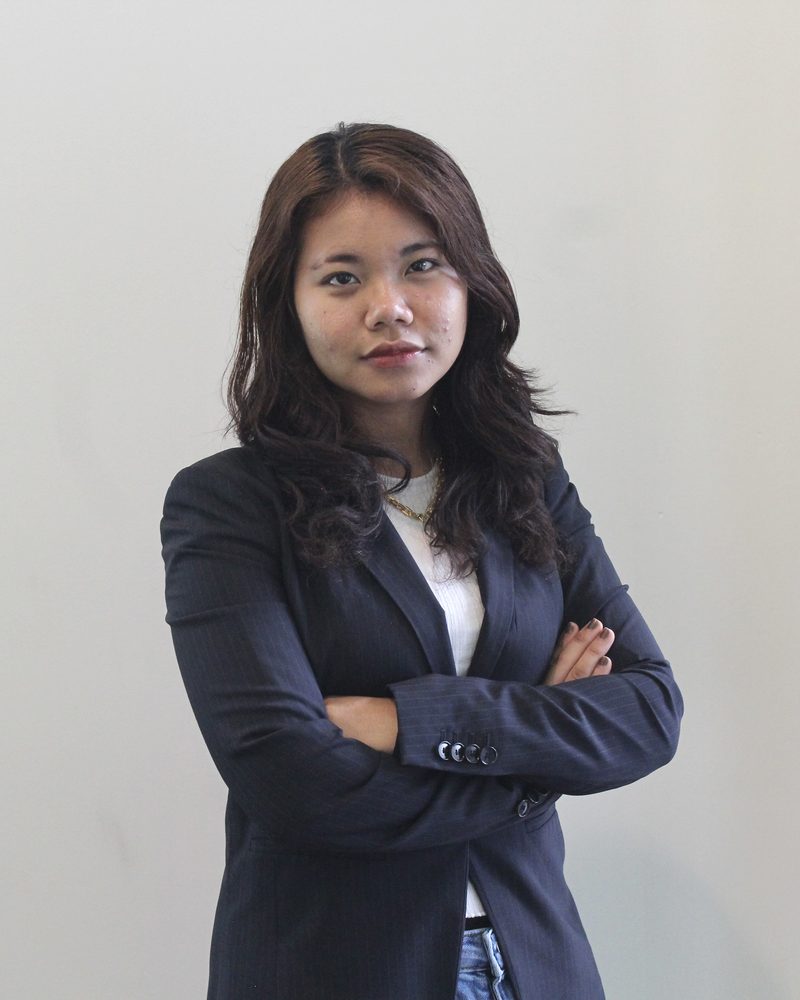
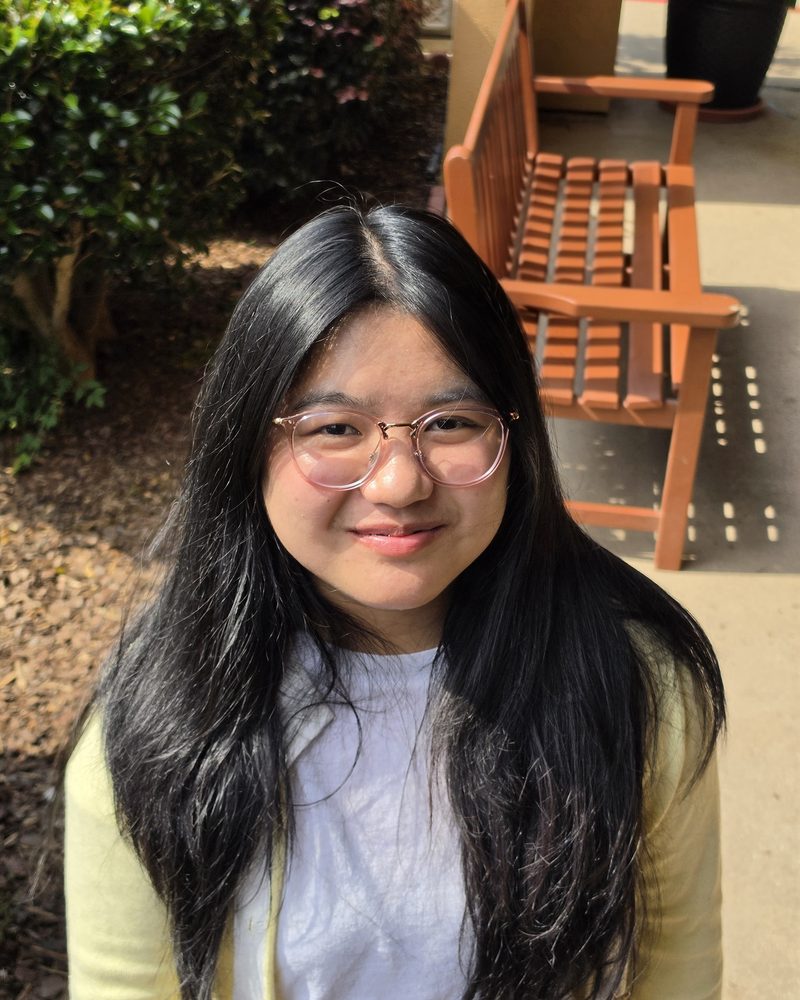
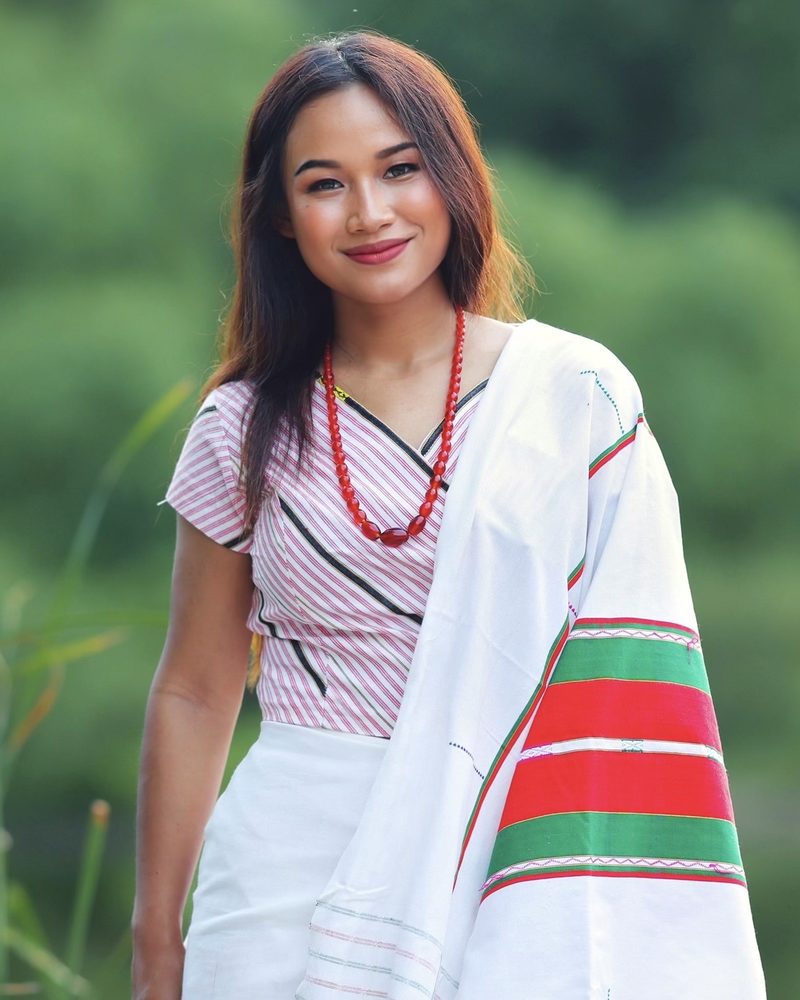
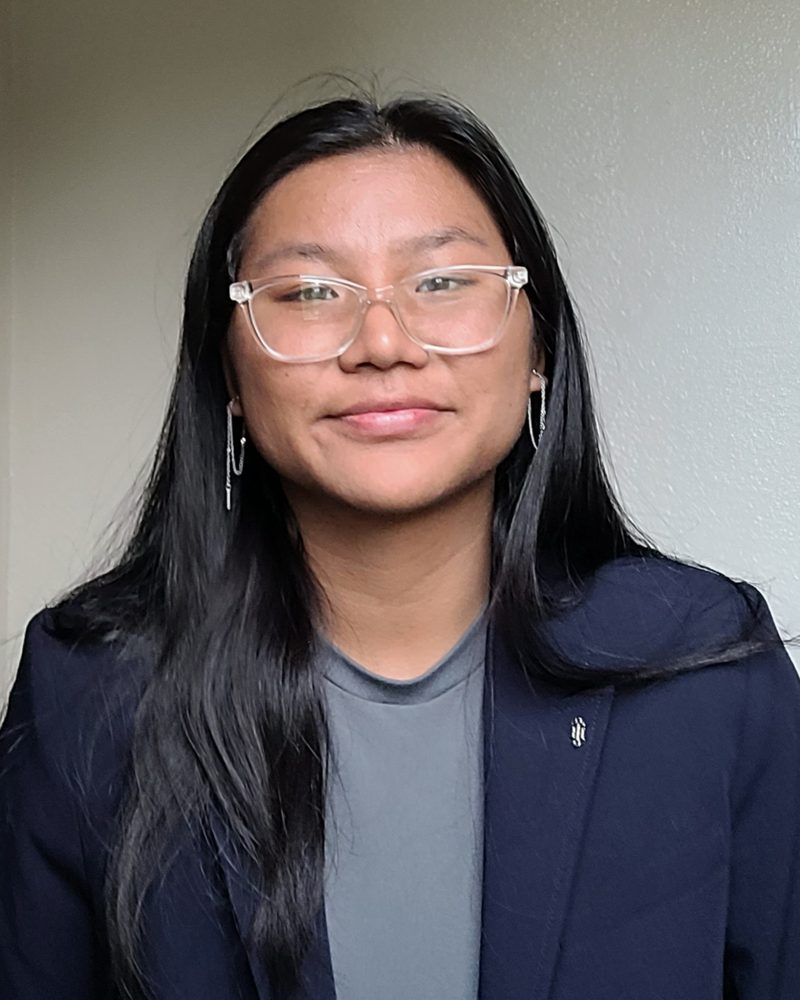
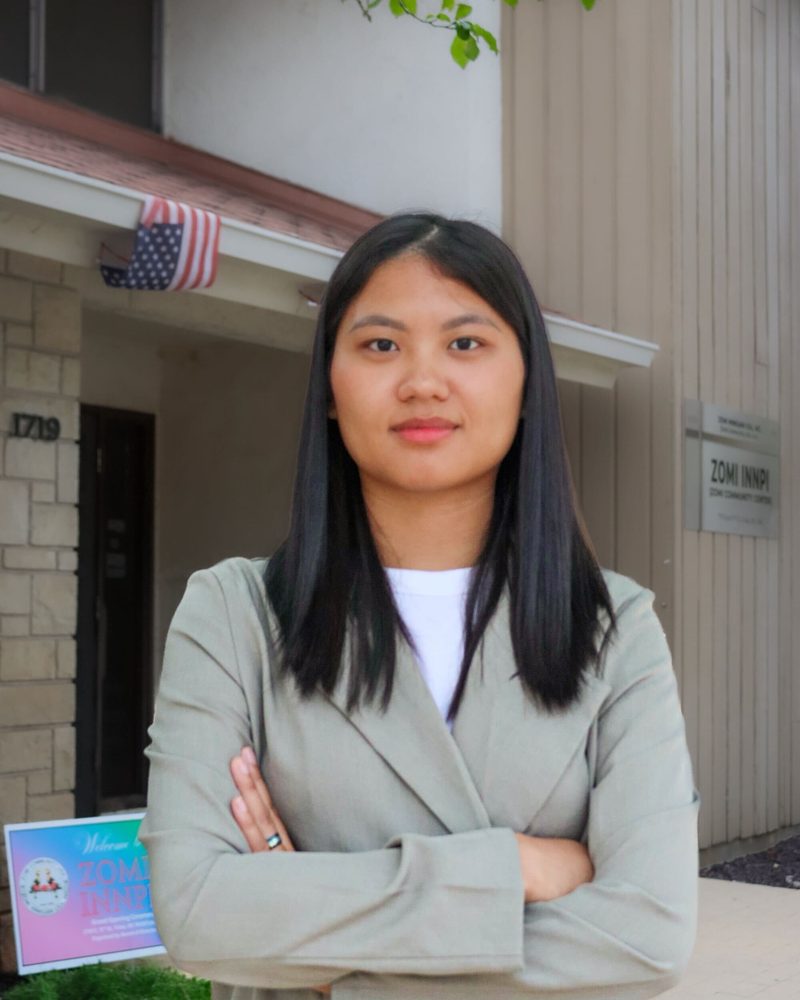
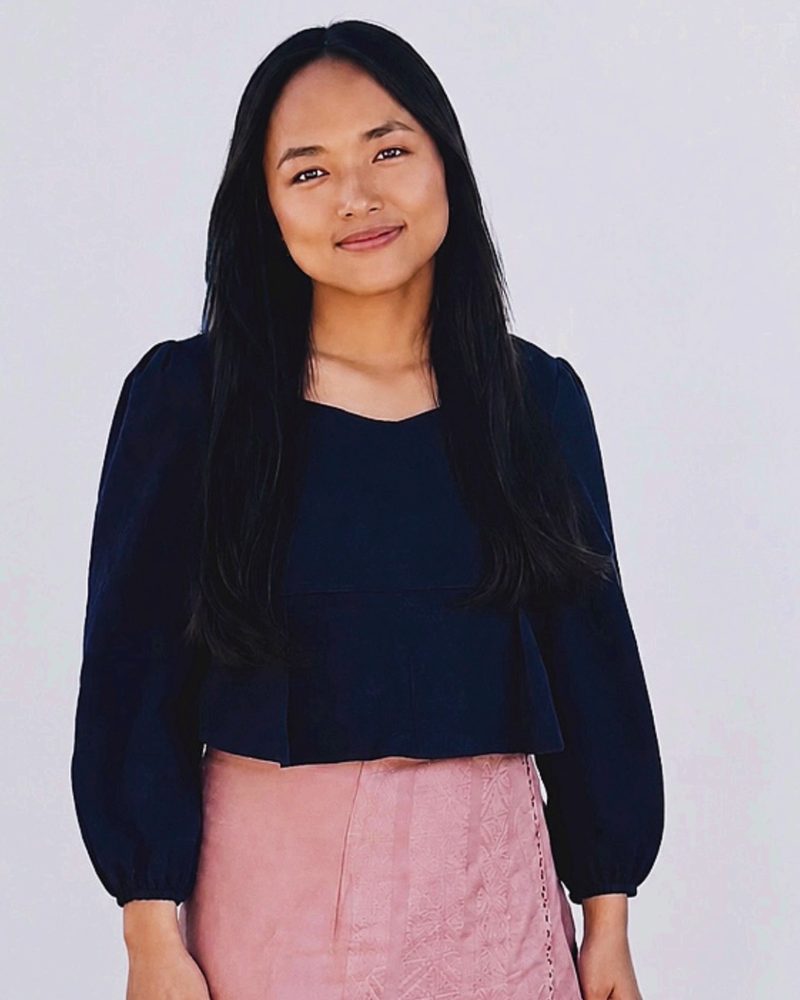
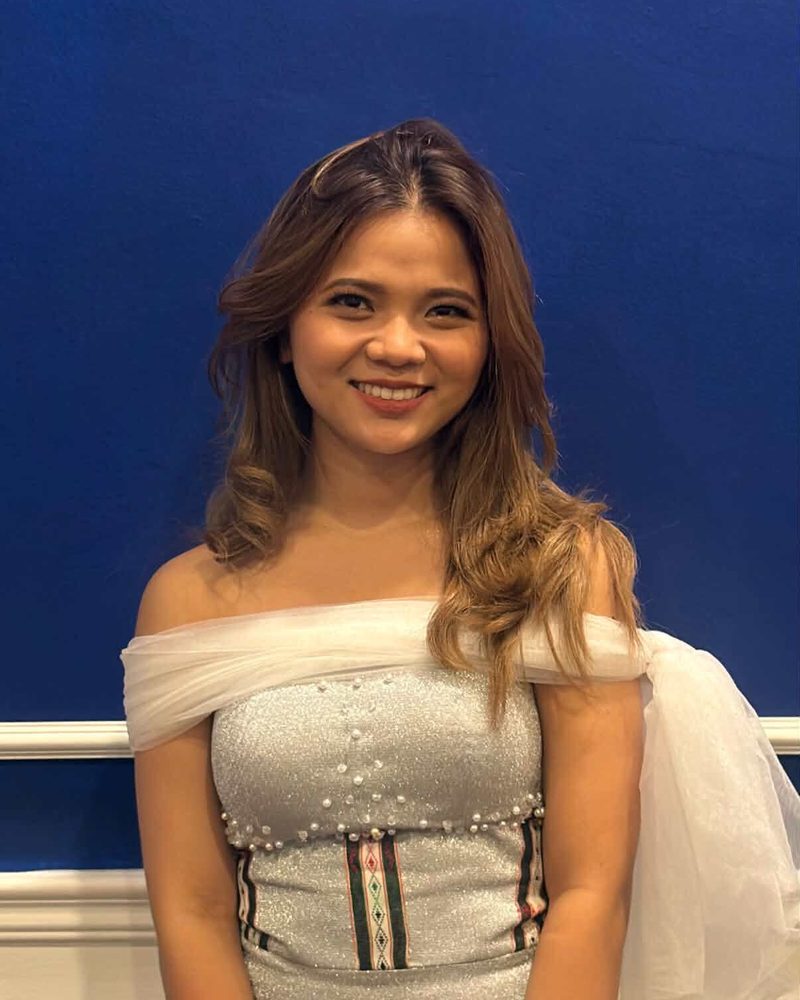
This study would not exist without our research team, whose members gave countless hours of their time to this work. My special thanks go to Mary Cing Lian Siam, who served as our research coordinator, and to the rest of our remarkable team, including Cing Mun Dim, Cing Sawm Mang, Dim Sian Nem, L. Kaichinpau, Langh Muan Mung, Lun Kop Siam, Mang Ho Sung, Niang Hoih Cing, Niang Sian Nuam, Nuam Sian Sang, and Vung Dim Cing. Their dedication was extraordinary. They approached every part of the research with patience, care, and a deep sense of responsibility to the community.
To every person who participated in this study, thank you for trusting us with your experiences. Speaking openly about personal struggles, hopes, and uncertainties is not always easy, and we deeply appreciate the courage it took to share those parts of your lives with us. We do not take that trust lightly. I hope this report treats your experiences with the care and dignity they deserve and that, in some meaningful way, it contributes to something better for our community.
Finally, I am grateful to Zomi people around the world. Despite the many struggles our people have faced, we continue to care for one another, hold on to who we are, and find ways to move forward. That strength has carried our community across borders and generations. It gives me hope that this work will help our people be more clearly seen, more carefully heard, and better supported.
With gratitude,
Suan Lian Tuang, MD/PhD
Study Lead and Author